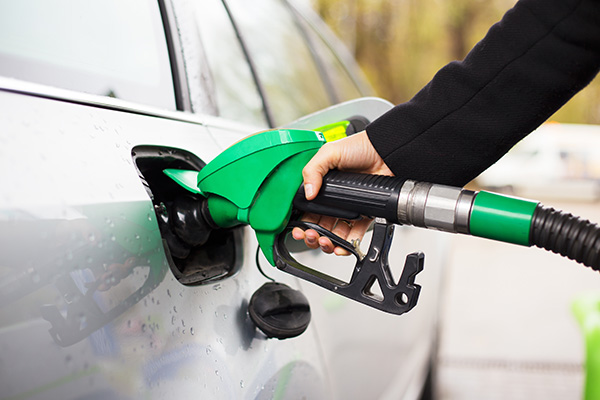
The usual tank used to get you through the week. Lately, you're stopping for gas again before Friday, even though the route looks much the same.
Before buying parts, check what actually changed. A dashboard range estimate, fewer miles between fills, and a measured drop in miles per gallon aren't quite the same thing. Sorting those out gives the next inspection a firmer starting point.
Measure Fuel Economy Across Several Fill-Ups
Record the miles driven and gallons added, using consistent normal filling stops. Divide miles by gallons to calculate MPG. Avoid topping off after the pump's normal shutoff just to make the amount look exact.
For example, 300 miles using 10 gallons equals 30 MPG. Covering 270 miles with that same amount equals 27 MPG. Compare several tanks because one fill changes with pump shutoff, parking angle, and how much driving happened before refueling. A repeat decline is easier to investigate than one lower number after an unusual week.
Check Tire Pressure Before Replacing Engine Parts
Low inflation changes how a tire interacts with the road and increases rolling resistance. Set cold pressures according to the vehicle placard and owner's manual, including any instructions for load. The maximum pressure molded into the tire isn't your everyday target. A tire that repeatedly loses air needs its leak found. We'd inspect the tread and valve area, then check the wheel and bead seal where the results lead. Uneven wear also calls for a closer look at alignment and steering parts. Extra pressure isn't a way to compensate for a damaged or mismatched tire.
Compare Your Recent Driving With the Old Routine
More idling and short trips use fuel without adding many miles. A new school drop-off queue or a week of brief errands sometimes explains a change that feels mechanical at first.
Air conditioning use, heavier loads, a roof carrier, or a route with more stops also changes the comparison. Around Corpus Christi, longer waits with the engine running sometimes add up quickly. Note what changed instead of assuming the same destination means the car experienced the same trip.
Look for Brake Drag or Resistance to Coasting
A brake that doesn't fully release makes the engine work against continued friction. The car feels less willing to coast, one wheel gets hotter, or a burning smell appears after a normal drive.
We'd check whether the caliper releases when the pedal is released, inspect pad wear, and follow hydraulic checks if pressure remains trapped. Replacing pads alone won't correct a brake still dragging. Don't touch the wheel or brake parts to compare heat; they cause burns. A strong odor, smoke, or a change in braking calls for stopping safely and arranging help.
Fuel-Economy Clues to Bring to the Shop
Gather these observations before the appointment:
- Measured MPG across recent tanks
- Changes in trip length, idling, or load
- Any check engine light or rough running
- Tires that keep needing air
- New sluggish coasting or a hot smell
- Recent engine, tire, or brake work
- Whether the change was sudden or gradual
Keep fault codes stored when possible. The computer's recorded conditions sometimes show what the engine was doing when the warning appeared. Clearing the light first removes information without correcting the problem.
Engine Temperature and Fuel Control
An engine that stays cooler than intended sometimes uses a different operating strategy from one that warms normally. A thermostat fault or inaccurate temperature reading needs checking when the evidence points there.
We'd compare the reported temperature with the engine's actual behavior and review fuel corrections and sensor readings. That is more direct than replacing an oxygen sensor because fuel use rose. An intake leak, fuel-delivery trouble, or ignition misfire can sometimes change the same readings for a different reason.
Spark Plugs and Filters Need the Right Context
Overdue spark plugs sometimes show up as roughness or hesitation under load. We'd inspect their condition and the ignition parts used by that engine, then compare the findings with the service history.
A heavily restricted air filter reduces available airflow, but on many modern fuel-injected engines it doesn't automatically create the large MPG penalty people expect. The controls adjust fuel to measured airflow. Check the filter and replace it when its condition or interval calls for it; don't promise a dramatic fuel saving from a part that isn't causing the complaint.
Fuel Smell or Leakage Changes the Urgency
A strong, persistent fuel odor or visible leakage calls for a safe stop, shutdown, and assistance. Keep ignition sources away and report the concern before recovery. If there are flames or immediate fire danger, move people and traffic away from the vehicle when safe, then call emergency services.
Don't keep driving to gather another MPG reading in that situation. Measure fuel economy only when the vehicle remains safe to operate. A leaking fuel line or injector needs its source found before the next trip.
Fuel-Economy Testing at TC Auto Service
TC Auto Service in Corpus Christi, TX, can review a measured decline in fuel economy and check the tires, brakes, or engine readings your symptoms indicate. Bring the fill-up records and explain what changed in the car or your routine.
Call TC Auto Service to arrange testing for a continuing drop in fuel economy.