Posted on 8/28/2026
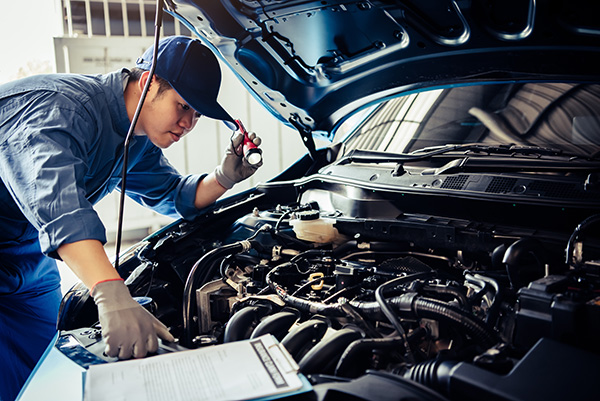
An engine that idles poorly, hesitates leaving a stop, or suddenly turns on the check engine light can feel like it has a fuel or ignition problem. Sometimes the symptoms even improve once you raise the rpm, which makes the problem harder to pin down from the driver's seat. That pattern is worth paying attention to because air enters the engine where it isn't supposed to change how the engine runs. The leak might come from a cracked hose, intake gasket, PCV connection, brake booster line, or another part of the intake system. A Rough or High Idle Is a Common Clue Vacuum is strongest when the throttle is mostly closed, so leaks tend to have a bigger effect at idle. Extra air slipping into the intake can make the engine idle too fast, surge up and down, or shake as though one or more cylinders are misfiring. You might notice the engine behaves better once you start driving and give it more throttle. At our shop, that difference between idle and higher rpm is ... read more
Posted on 7/31/2026
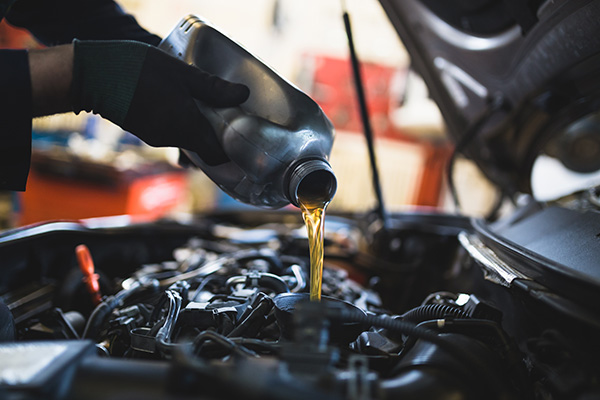
Cars rarely become silent as they age. A few clicks, hums, and brief mechanical noises can be normal, especially during startup or temperature changes. The concern begins when a sound is new, grows louder, or starts appearing during a specific action such as braking, turning, or accelerating. An unusual noise is often an early warning that a part has loosened, lost lubrication, or developed excessive play. Paying attention before the sound becomes severe can help prevent a worn component from damaging nearby parts or leaving the vehicle unable to continue. 1. A Humming Noise That Gets Louder With Speed A low humming or growling sound that rises with road speed may come from a worn wheel bearing. It often starts quietly and becomes more noticeable on the highway. The tone may change when the vehicle turns because cornering transfers weight from one side to the other. Tire wear can produce a similar sound, especially when the tread is cupped or uneven. A technician m ... read more
Posted on 6/26/2026
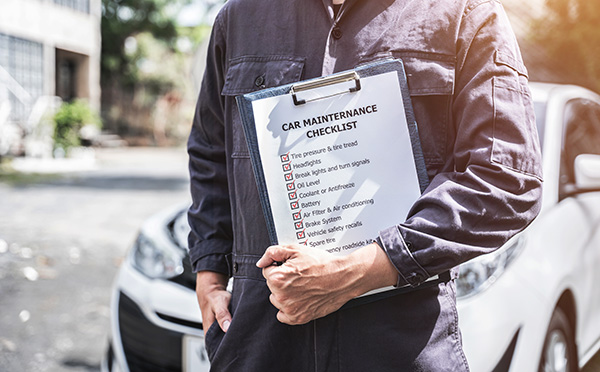
The long winter months and muddy spring rains are finally behind us, and everyone is ready to embrace the warm sunshine. Summer brings a completely different energy to the roads. We start planning weekend beach trips, organizing family camping excursions, and loading up the trunk for long highway drives. It is a season meant for exploration and making memories. At our repair shop, we love seeing our community get out and enjoy the beautiful weather. However, we also know that the extreme heat of July and August presents a massive physical challenge for your vehicle. Many drivers mistakenly think that winter is the only season that is tough on a car, but statistically, summer heat causes just as many mechanical breakdowns and flat tires. To help you stay ahead of the rising temperatures and ensure your vehicle stays completely dependable, we want to share a few essential summer maintenance tips straight from our service bays. Shield Your Engine from Overheating Your ... read more
Posted on 5/29/2026
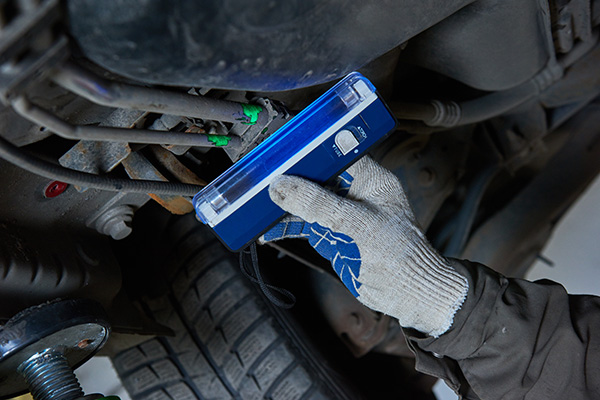
A car A/C system can lose its edge little by little. One week, the air feels cold enough. A few weeks later, it takes longer to cool the cabin. Then a hot afternoon comes along, and the vents blow air that feels barely cooler than the outside air. By then, most drivers want refrigerant added. Sometimes the system is low. Sometimes the compressor is not doing its job. Sometimes, airflow, electrical controls, pressure sensors, or cooling fan operation are part of the problem. Professional car AC repair starts by finding which part of the system is actually failing. Why Weak A/C Needs Testing First Warm air from the vents does not automatically mean the vehicle only needs a recharge. Low refrigerant is common, but the refrigerant should stay sealed inside the system. If the level is low, there is usually a leak somewhere. A quick recharge can briefly cool the air, but it does not explain where the refrigerant went. If the leak is still there, the same problem returns ... read more
Posted on 4/30/2026
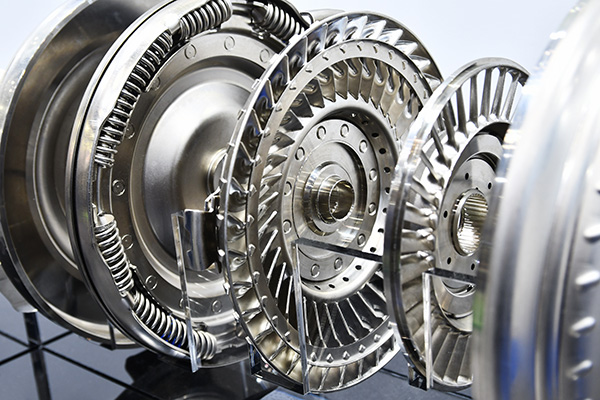
Transmission slipping is not always obvious right away. It can start with small changes that are easy to dismiss, especially if the vehicle still moves and shifts. Over time, those changes become more noticeable and begin to affect how the car responds during everyday driving. Knowing what slipping feels like helps you recognize the issue early and avoid more serious transmission damage. Engine Revs Increase Without Matching Speed One of the clearest signs of slipping is when the engine revs higher, but the vehicle does not accelerate as it should. You press the gas, the RPMs climb, but the car feels slow to respond. This happens because the transmission is not fully engaging the gear. Instead of transferring power efficiently, some of that energy is lost, which creates that disconnected feeling. Delayed or Hesitant Gear Changes Slipping can also show up as hesitation when shifting. You may notice a delay between gears, especially when accelerati ... read more