Posted on 10/30/2026
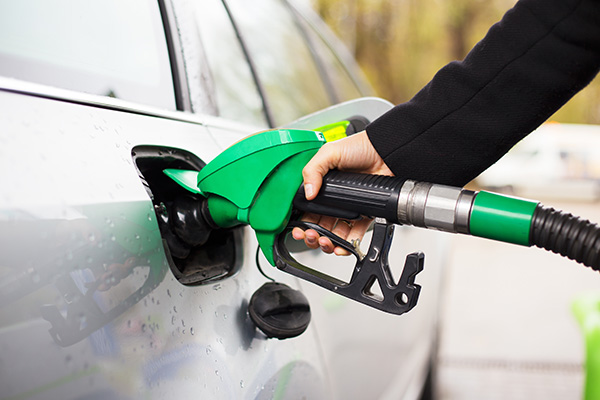
The usual tank used to get you through the week. Lately, you're stopping for gas again before Friday, even though the route looks much the same. Before buying parts, check what actually changed. A dashboard range estimate, fewer miles between fills, and a measured drop in miles per gallon aren't quite the same thing. Sorting those out gives the next inspection a firmer starting point. Measure Fuel Economy Across Several Fill-Ups Record the miles driven and gallons added, using consistent normal filling stops. Divide miles by gallons to calculate MPG. Avoid topping off after the pump's normal shutoff just to make the amount look exact. For example, 300 miles using 10 gallons equals 30 MPG. Covering 270 miles with that same amount equals 27 MPG. Compare several tanks because one fill changes with pump shutoff, parking angle, and how much driving happened before refueling. A repeat decline is easier to investigate than one lower number after an unusual wee ... read more