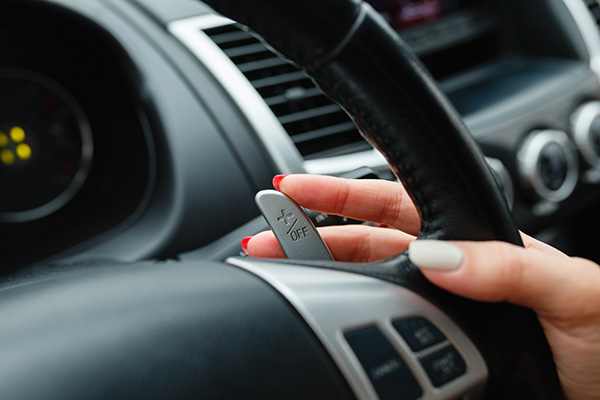
A jerk when shifting gears can feel like the car is being nudged from behind. Sometimes it is a single hard bump on the 1–2 shift, and sometimes it happens on several shifts in a row. It might only show up when the car is cold, when you accelerate onto a highway, or when you slow down and the transmission downshifts.
The faster you connect the jerk to a pattern, the easier it is to pinpoint what needs to be fixed.
How Jerking Feels And When It Happens
Shift jerks usually fall into a few patterns. A firm thump right as the gear changes often points to pressure control or a mechanical issue inside the transmission. A shudder or chatter during the shift can point toward fluid condition, clutch behavior, or torque converter issues on some vehicles.
Pay attention to whether it happens on upshifts, downshifts, or both. Also note if it gets worse when you are climbing a hill or carrying passengers, because load changes how the transmission applies clutches. If it only happens at very low speeds, it can be related to how the car transitions in and out of first gear or a low-speed lockup strategy.
Low Or Old Transmission Fluid Issues
Transmission fluid does more than lubricate. It also carries hydraulic pressure that applies to clutches and bands, so the right level and condition matter for shift quality. If the fluid is low, the transmission can hesitate, then slam into gear because pressure builds inconsistently.
Old fluid can create its own problems, especially if it has been overheated or is contaminated. Shifts may feel delayed, then harsh, because the friction characteristics are no longer what the transmission expects. Keeping up with regular maintenance on fluid services helps prevent the kind of harsh application that feels like a jerk in your seat.
Shifting Sensors And Control Problems
Modern transmissions rely on sensor input and electronically controlled solenoids to manage shift timing and pressure. If a sensor is reading incorrectly, the computer may command the shift at the wrong moment or with the wrong pressure. That can create a hard bump, a flare, or a delayed engagement that feels like the car is lurching.
Solenoids can also stick or respond slowly. When that happens, the transmission may not ramp pressure smoothly, so it goes from not applying to applying too quickly. In our shop, we see this show up as an on-and-off symptom at first, then it becomes more consistent as the issue progresses.
Engine Misfires That Mimic Transmission Jerks
Not every jerk during a shift is actually the transmission. If the engine stumbles right as the transmission is changing gears, it can feel like a harsh shift even though the real issue is combustion. A weak spark plug, a coil that is breaking down, or a fueling problem can create a brief loss of power that feels like a lurch.
A good clue is whether the jerk also happens when you accelerate without a shift, such as rolling from 30 to 40 mph in the same gear. If the engine feels uneven under load, the transmission may be reacting normally to an engine that is not delivering steady power. That is why checking engine performance is part of a smart inspection for shift complaints.
Mounts And Driveline Play Under Load
Engine and transmission mounts keep the drivetrain from twisting excessively when torque is applied and removed. When a mount is torn or softened, the drivetrain can rock during shifts and make the change feel harsher than it really is. You may feel a clunk when shifting into Drive or Reverse, or a bang when you get on and off the throttle.
Driveline components can add to it too. Worn CV joints, driveshaft issues, or excessive play in a differential can turn a normal shift into a noticeable bump. Our technicians pay close attention to these because fixing the transmission will not solve a jerk caused by drivetrain movement.
What To Do Now To Prevent Bigger Damage
Start by collecting a few details before the problem gets worse, because those details shorten the repair path. Try to notice exactly when it happens and whether it changes with temperature, speed, or throttle. If the vehicle ever slips, revs up without moving the way it should, or bangs into gear hard, book service soon rather than hoping it settles down.
- Note which shifts jerk most, like 1–2, 2–3, or downshifts when slowing
- Pay attention to whether it is worse cold, worse hot, or the same all the time
- Watch for warning lights and any changes in RPM during the shift
- Check for new fluid spots where you park, especially red or amber fluid
- Avoid aggressive acceleration until it is repaired, since load can make wear spread faster
Get Transmission Shift Repair In Corpus Christi, TX, With TC Auto Service
If you’re dealing with jerking when shifting gears, the next step is to book service so the cause is repaired correctly before it turns into slipping or internal damage.
Schedule service or visit TC Auto Service in Corpus Christi, TX, when you want solid, consistent shifts and a repair that holds up in everyday driving.