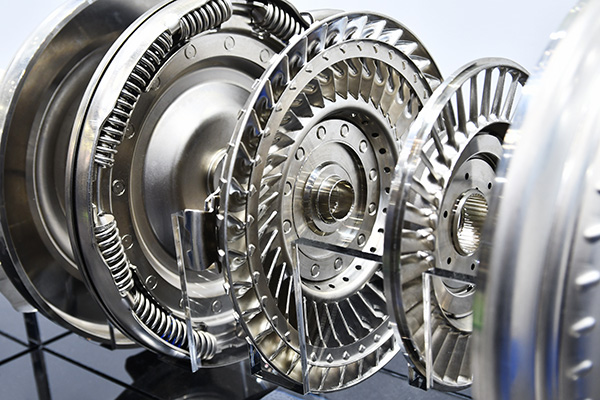
Transmission slipping is not always obvious right away. It can start with small changes that are easy to dismiss, especially if the vehicle still moves and shifts. Over time, those changes become more noticeable and begin to affect how the car responds during everyday driving.
Knowing what slipping feels like helps you recognize the issue early and avoid more serious transmission damage.
Engine Revs Increase Without Matching Speed
One of the clearest signs of slipping is when the engine revs higher, but the vehicle does not accelerate as it should. You press the gas, the RPMs climb, but the car feels slow to respond.
This happens because the transmission is not fully engaging the gear. Instead of transferring power efficiently, some of that energy is lost, which creates that disconnected feeling.
Delayed or Hesitant Gear Changes
Slipping can also show up as hesitation when shifting. You may notice a delay between gears, especially when accelerating. The transmission may feel like it is taking longer than usual before engaging the next gear.
That delay can feel inconsistent. Sometimes it shifts normally, and other times it takes longer, which can make driving feel unpredictable.
Sudden Changes in Acceleration
Another common symptom is uneven acceleration. The car may surge forward and then briefly lose power, even when you are maintaining steady pressure on the gas pedal.
This can feel like the vehicle is struggling to hold the correct gear. It may shift unexpectedly or feel like it is moving in and out of gear under load.
Slipping While Climbing Hills or Under Load
Transmission slipping is often more noticeable when the engine is under stress. Climbing hills, carrying passengers, or accelerating onto the highway can expose the problem more clearly.
Under these conditions, the transmission needs to hold gears firmly. If it cannot, slipping becomes more obvious and may feel worse than during normal driving.
Burning Smell or Overheating
Slipping creates extra friction and heat inside the transmission. That heat can sometimes produce a burning smell, especially after driving for a while.
Overheating not only affects performance but also speeds up wear on internal components. Once heat becomes a factor, the condition tends to get worse more quickly.
Warning Lights or Dashboard Alerts
In some vehicles, transmission problems trigger dashboard warning lights. These alerts may appear alongside noticeable performance changes or on their own.
While not all slipping issues trigger a light right away, it is another signal that something is not operating within normal limits.
Why Transmission Slipping Gets Worse Over Time
Transmission slipping rarely stays mild. As internal components wear or fluid loses effectiveness, the ability to hold gears continues to decline.
The longer the issue is left unaddressed, the more internal wear occurs. That can lead to more complex repairs compared to addressing the problem early.
How Regular Maintenance Helps Prevent Slipping
Regular maintenance plays a key role in the health of the transmission. Keeping fluid clean and at the correct level helps maintain pressure and reduces wear.
An inspection during routine service can also catch early signs of fluid breakdown or leaks. Staying ahead of these issues helps keep the transmission operating properly.
When to Schedule a Transmission Inspection
If you notice higher RPMs without matching acceleration, delayed shifting, or uneven power delivery, it is time to have the transmission checked.
Even if the issue feels minor, slipping is a sign that something is not engaging properly. Early inspection helps prevent further damage.
Get Transmission Service In Corpus Christi, TX, With TC Auto Service
If your transmission feels like it is slipping or not responding the way it should, TC Auto Service in Corpus Christi, TX, can inspect your vehicle and determine the cause before it leads to more serious repairs.
Call today to schedule your appointment and keep your transmission performing reliably on every drive.