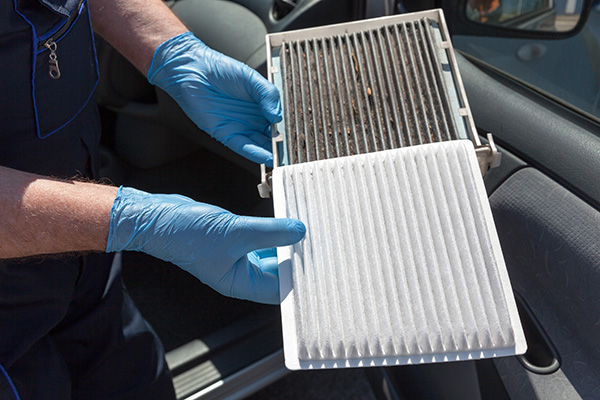
Filters are the kind of maintenance item that almost nobody thinks about. Most people remember them when the AC airflow seems weaker than it used to be, the inside of the car starts smelling a little musty, or the engine feels slightly less responsive. By then, the filters have usually been overdue for a while.
The good news is that engine and cabin filters are easy to stay ahead of once you understand what shortens their life. A simple schedule, plus a quick inspection now and then, keeps you from replacing them too early or driving too long on clogged ones.
Engine Air Filter Vs Cabin Filter: Two Different Jobs
The engine air filter protects the engine. It keeps dust, sand, and debris out of the intake system so sensitive components do not get contaminated. If it clogs, airflow drops, and the engine can feel less eager during acceleration.
The cabin filter protects you and your HVAC airflow. It cleans the air that comes through the vents. If it clogs, airflow drops, odors become more likely, and the blower motor has to work harder to push air through.
They sound similar, but the symptoms show up in different places. That is why it helps to think of them as separate systems with separate clues.
How Often To Change The Engine Air Filter
A practical range for many vehicles is about every 12,000 to 20,000 miles. Some vehicles can go longer under ideal conditions, and some need it sooner. The biggest factor is where and how you drive.
If you drive through construction zones, dusty roads, or areas with a lot of wind-blown dirt, the engine filter loads up faster. If you do a lot of stop-and-go driving, the engine spends more time pulling air at low speed in polluted areas, which can increase debris buildup around the airbox.
The best habit is to inspect it during oil service. If it looks dark, packed, or full of debris, it is likely due. If it still looks evenly light and the pleats are not clogged, it can often go longer.
How Often To Change The Cabin Filter
Cabin filters often need replacement around every 12,000 to 15,000 miles, or roughly once a year for many drivers. If you run the AC and heat constantly, park under trees, or deal with heavy pollen seasons, the cabin filter can clog sooner.
A cabin filter that is overdue often shows up as weaker airflow from the vents. You might also notice that the fan seems loud but airflow is not strong. That is the blower pushing against the restriction.
Another clue is odor. A dirty cabin filter can trap moisture and organic debris, which can create a stale smell when you first turn on the vents. Replacing the filter can help, and it can also reduce fogging issues by letting air move the way it should.
Real-World Conditions That Shorten Filter Life
Filters do not fail on the same timeline for every driver. A few common situations shorten both engine and cabin filter life:
- Driving on gravel, dirt roads, or near construction sites
- Parking under trees where leaves and debris fall into intake areas
- Heavy pollen seasons or frequent windstorms
- Lots of stop-and-go traffic with extended idle time
- Using the HVAC system constantly, especially on high fan speeds
If any of those describe your routine, inspection intervals matter more than a strict mileage number. In our shop, we see filters that should last a year clog in half that time because of where the vehicle lives and drives.
Symptoms That Suggest A Filter Is Past Due
Not every clogged filter causes an obvious symptom right away, but there are signs to watch for.
For the engine air filter, common signs include sluggish acceleration, a slight drop in fuel economy, or a feeling that the engine is working harder for the same result. Common signs of a cabin filter issue include reduced airflow, increased dust inside the vehicle, or a smell that appears when you first turn on the vents.
If your cabin airflow is weak, do not assume the blower motor is the problem first. The cabin filter is the easiest and cheapest place to start.
Why Replacing Filters Too Early Can Be Wasteful
Some drivers replace filters at every oil change without even looking at them. That can be overkill if the filter is still in good shape. Filters are meant to be used, and many can go beyond a single oil interval.
The better approach is inspection-based. A filter that is clean and flowing should stay in service. A loaded, restricting filter should be replaced. That keeps your maintenance practical and prevents unnecessary spending.
A Simple Schedule That Keeps You On Track
If you want an easy plan, inspect both filters at least once a year, and inspect the engine filter more often if you drive in dusty conditions. Cabin filters tend to clog faster if you park under trees or deal with pollen, so checking it seasonally can be helpful.
The goal is consistency. If you wait until airflow is bad or the engine feels off, you are usually late.
Get Filter Service in Corpus Christi, TX, with TC Auto Service
We can inspect your engine air filter and cabin filter, check airflow and fitment, and recommend replacement based on real condition and your driving routine. If airflow is weak, we’ll also make sure there is not another HVAC issue hiding behind a clogged filter.
Call TC Auto Service in Corpus Christi, TX, to schedule service and keep your vehicle breathing clean inside and out.